


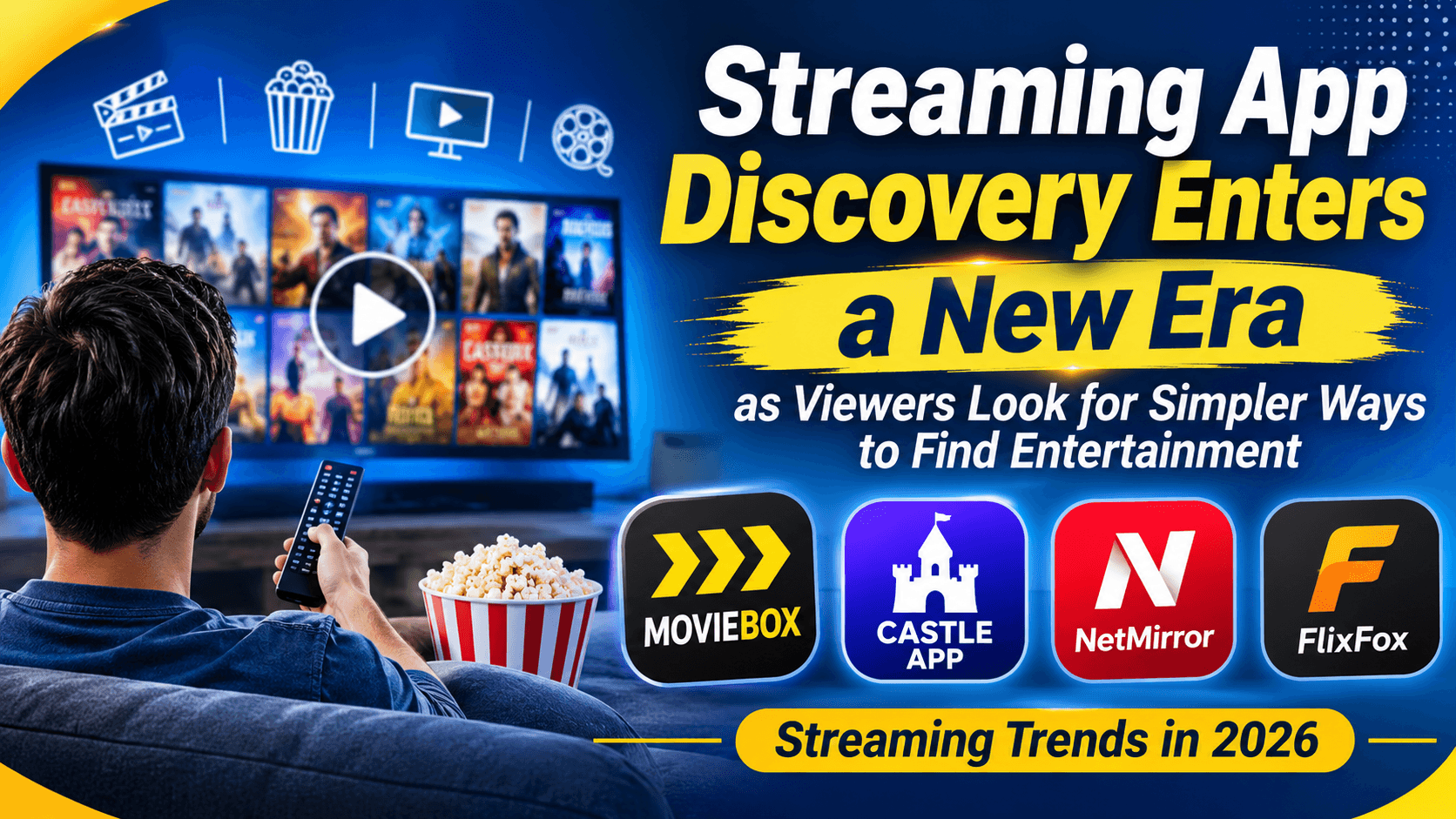
The streaming industry has given viewers access to an enormous amount of entertainment, but having more choices does not always make finding something to watch easier. In 2026, consumers are increasingly dealing with multiple streaming services, separate content libraries and different interfaces while trying to locate movies, shows and other entertainment.
Recent research highlights the scale of the issue. Nielsen’s 2026 State of Play research found that 72% of surveyed streaming viewers want a consolidated guide covering programming across the services they use. More than half of respondents also said they could be likely to cancel a service if they cannot find programming that interests them.
This has made content discovery one of the most important parts of the modern streaming experience.
Viewers Are Looking Beyond a Single Streaming Platform
The traditional streaming model was built around individual platforms offering their own libraries and applications. As the number of services has grown, however, consumers have become more selective about which applications they use and how easily they can find suitable content.
Deloitte’s 2026 Digital Media Trends research describes the current market as increasingly fragmented, with consumers juggling multiple subscriptions and services to access the entertainment they want. The research also points to discovery as an important part of the relationship between viewers and entertainment platforms.
This shift has encouraged interest in a wider range of streaming and entertainment applications. Users are now more likely to compare applications based on their interface, content organization, device support, search functions and overall viewing experience rather than simply choosing the first service they encounter.
MovieBox and the Growing Interest in Entertainment Apps
MovieBox is one of the names that appears in discussions surrounding alternative entertainment applications and mobile streaming experiences.
The broader interest in apps such as Movie Box reflects a change in how people discover entertainment. Instead of depending entirely on traditional television schedules or a single subscription platform, viewers increasingly use search engines, social platforms, recommendations and dedicated applications to discover movies and shows.
For developers and publishers in the entertainment technology sector, this creates an opportunity to focus on features that make browsing easier. Clear categories, useful search tools, subtitle support and straightforward navigation can all contribute to a better content discovery experience.
Castle App Represents a Wider App-Based Viewing Landscape
Castle App is another example of the growing range of applications that users may encounter when researching digital entertainment.
The increasing popularity of app-based entertainment is closely connected to the wider shift toward connected viewing. Smartphones, tablets, smart TVs and streaming devices have made it possible for audiences to access entertainment in more places and through more interfaces than ever before.
As this ecosystem grows, consumers are also becoming more aware of the differences between applications. Factors such as interface design, supported devices, content organization and update practices can influence how users evaluate an entertainment app like Castle.
NetMirror and the Changing Way Audiences Browse Content
NetMirror is another name associated with the evolving conversation around streaming applications and digital content discovery.
The importance of applications such as Net Mirror goes beyond any individual platform. They form part of a larger ecosystem in which viewers have become accustomed to searching for entertainment through applications rather than relying on traditional television programming.
This change is particularly noticeable among mobile-first audiences. A viewer may discover a movie through a social post, search for information about it online and then look for an application that provides an interface suited to their preferred device. The path from discovering content to watching it has therefore become increasingly fragmented.
FlixFox Adds to the Expanding Streaming App Ecosystem
FlixFox is also among the application names appearing in searches related to digital entertainment and streaming.
The wider trend demonstrates that streaming is no longer defined by a small number of dominant platforms. Consumers now encounter a broad range of entertainment applications, each with different approaches to browsing, discovery and viewing.
That variety makes transparency and usability increasingly important. Users researching an unfamiliar application may want to understand its features, supported devices, update history, permissions and source before deciding whether it fits their needs.
Why Content Discovery Is Becoming a Major Streaming Issue
The challenge facing the industry is no longer simply providing more content. It is helping viewers find the content they actually want.
Nielsen’s latest research found that 27.3% of surveyed streaming viewers often or always miss a specific movie, show or sports event because they cannot find it. Almost half also said that the volume of streaming content and services encourages them to rewatch familiar titles instead of searching for something new.
Deloitte has similarly highlighted the growing fragmentation of entertainment and the importance of helping audiences discover content across multiple platforms.
EY’s 2026 media and entertainment outlook points toward simpler and more unified entertainment experiences as consumers deal with an increasingly fragmented market.
This suggests that the next phase of streaming may focus less on simply adding another content library and more on making entertainment easier to discover and use.
A More Flexible Future for Digital Entertainment
The continued growth of streaming applications shows that audiences are becoming more comfortable with different approaches to digital entertainment. MovieBox, Castle App, NetMirror and FlixFox represent individual names within a much larger ecosystem that continues to develop alongside mainstream streaming services.
For consumers, the key consideration is finding applications that provide a clear and understandable viewing experience while offering information about compatibility, features and usage.
For the entertainment industry, the challenge is equally clear: audiences already have more content than ever. The next competitive advantage may come from helping people find the right content with less searching and less frustration.
As streaming continues to evolve through 2026 and beyond, content discovery, usability and simplified access are likely to remain central to the way audiences choose and interact with digital entertainment applications.

