

The construction industry is constantly evolving, driven by the demand for more efficient, durable, and sustainable building materials. In recent years, two materials that have gained considerable attention in the realm of flooring and interior construction are vinyl flooring and cement boards. These materials not only provide functional benefits but also offer aesthetic versatility and sustainability. In this article, we will delve deep into the applications, advantages, and future prospects of these materials, with a focus on how they are revolutionizing the construction and architecture sectors.
What is Vinyl Flooring?
Vinyl flooring is a synthetic material that has become a popular choice for both residential and commercial applications. It is made from polyvinyl chloride (PVC) and is known for its flexibility, durability, and water resistance. Vinyl flooring has evolved over the years and is now available in a variety of styles, including luxury vinyl tiles (LVT), vinyl sheets, and vinyl plank flooring. These products mimic the appearance of natural materials like wood, stone, and ceramic but come at a fraction of the cost.
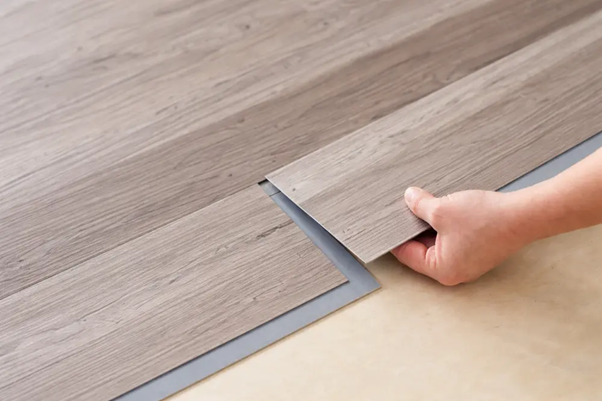
Advantages of Vinyl Flooring
- Durability and Maintenance: One of the standout features of vinyl flooring is its longevity. Vinyl is resistant to scratches, dents, and stains, making it ideal for high-traffic areas such as kitchens, bathrooms, and commercial spaces. Moreover, it requires minimal maintenance, only needing occasional sweeping and mopping to keep it looking pristine.
- Water Resistance: Vinyl flooring is inherently water-resistant, making it a top choice for spaces prone to moisture, such as bathrooms, kitchens, and basements. With waterproof varieties available, vinyl flooring can withstand heavy spills and humidity, offering enhanced protection against mold and mildew.
- Cost-Effectiveness: When compared to hardwood, tile, or stone flooring, vinyl offers an affordable alternative with similar aesthetics. The cost-effectiveness of vinyl flooring does not compromise its quality, making it an attractive option for both residential and commercial projects.
- Variety of Designs: Vinyl flooring comes in an extensive range of designs, colors, and textures. From the look of rustic wood to contemporary stone designs, there is a vinyl option to suit any interior style. Additionally, vinyl flooring can be customized with different patterns and finishes, allowing homeowners and designers to create unique spaces.
- Comfort and Sound Absorption: Vinyl is a softer and warmer flooring option compared to tile or stone, providing more comfort underfoot. It also offers sound insulation properties, making it an excellent choice for multi-story buildings where noise reduction is essential.
For more detailed insights on pricing and different types of vinyl flooring, you can visit gia san nhua hem khoa, a comprehensive resource for flooring solutions in construction.
Cement Boards: A Game-Changer for Flooring and Wall Applications
Cement boards, such as the cement board for flooring, have been widely used in construction, particularly in areas that demand strength and moisture resistance. Made from a combination of cement and fiberglass mesh, cement boards provide a sturdy and reliable base for tiles, especially in wet areas such as bathrooms and kitchens. The boards act as a substrate for flooring and wall coverings, ensuring longevity and preventing damage caused by moisture exposure.
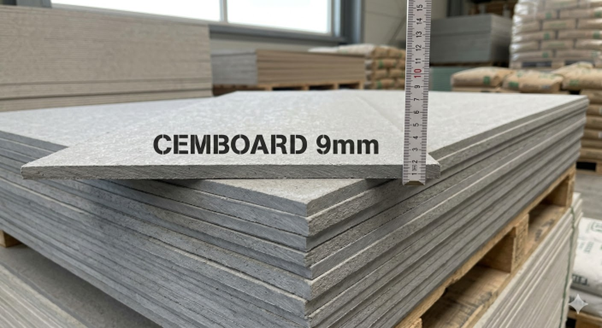
Advantages of Cement Boards
- Moisture Resistance: Cement boards are highly resistant to moisture, making them the ideal choice for wet areas. Unlike traditional drywall or plywood, cement boards do not warp or swell when exposed to water. This makes them a perfect choice for areas like shower walls, floors, and backsplashes.
- Durability and Strength: Cement boards offer superior durability and strength, providing a solid foundation for tile installations. They are highly resistant to cracking, which is a common issue with other substrates under tile floors.
- Fire Resistance: Cement boards are non-combustible, offering increased fire resistance compared to other building materials. This makes them a safer option, particularly in high-risk areas such as kitchens and commercial buildings.
- Easy Installation: Cement boards are relatively easy to install, especially when compared to traditional alternatives like plywood. The boards can be cut and shaped with simple tools, reducing installation time and labor costs.
- Eco-Friendly: Cement boards are made from natural materials, making them an environmentally friendly option. They can be recycled at the end of their lifecycle, helping to reduce the carbon footprint of construction projects.
For more information on how to integrate cement boards into your construction project, visit tam xi mang cemboard, a resource dedicated to high-quality cement board solutions.
The Role of Vinyl Flooring and Cement Boards in Sustainable Construction
In the push toward sustainable and environmentally friendly building practices, both vinyl flooring and cement boards offer significant advantages. The low environmental impact of vinyl flooring and the durability of cement boards make them excellent choices for eco-conscious builders and homeowners. Vinyl flooring, particularly when sourced responsibly, can be made from recycled materials, and its long lifespan ensures that it will not need to be replaced frequently, reducing waste. Similarly, cement boards’ long-lasting durability and fire resistance make them a sustainable option in the construction industry.
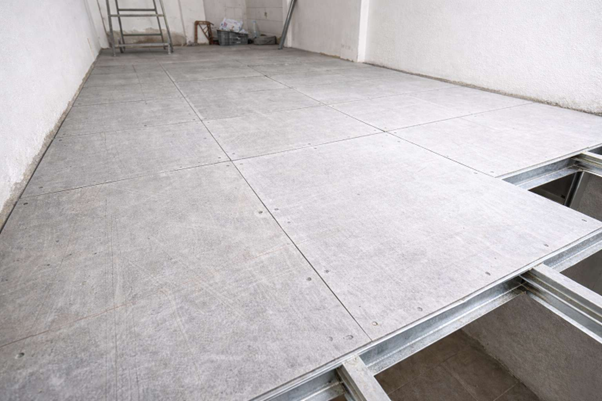
Trends in Vinyl Flooring and Cement Boards for the Future
As the construction industry continues to evolve, both vinyl flooring and cement boards are expected to grow in popularity. Technological advancements in manufacturing processes are making these materials even more durable, sustainable, and customizable. For instance, future innovations in vinyl flooring may lead to more eco-friendly options, while cement boards may become more lightweight and even more resistant to external elements.
Moreover, the demand for aesthetic appeal is increasing, and both vinyl flooring and cement boards are adapting to meet these needs. The ability to replicate the look of natural materials like wood and stone has made vinyl flooring even more desirable. Meanwhile, cement boards are increasingly used in high-end designs, especially in luxury bathrooms and kitchens, where their durability and modern appeal are highly valued.
In conclusion, both vinyl flooring and cement boards offer exceptional benefits for modern construction projects. Whether you’re looking for cost-effective, durable flooring options or sturdy substrates for tiles in wet areas, these materials provide excellent solutions. Their flexibility, strength, and resistance to water and fire make them invaluable components in the construction and design of homes, commercial spaces, and everything in between. By incorporating high-quality products like vinyl flooring and cement boards, builders and homeowners can ensure the longevity, safety, and aesthetic appeal of their spaces for years to come.
Contact Information:
- Company Name: Dang Khoi Construction Materials
- Mail: tongkhovatlieu.net@gmail.com
- State: Ho Chi Minh
- City: Ho Chi Minh City
- Country: Vietnam
- Web URL: https://tongkhovatlieuxaydung.com